Environment Design - Master Thesis
Tech Stack
Team size: 2
Time frame: 5 months
Overview
This master's thesis explored the procedural generation of large-scale urban environments using GIS data. The goal was to investigate workflows for creating assets suitable for a large-scale simulation game.
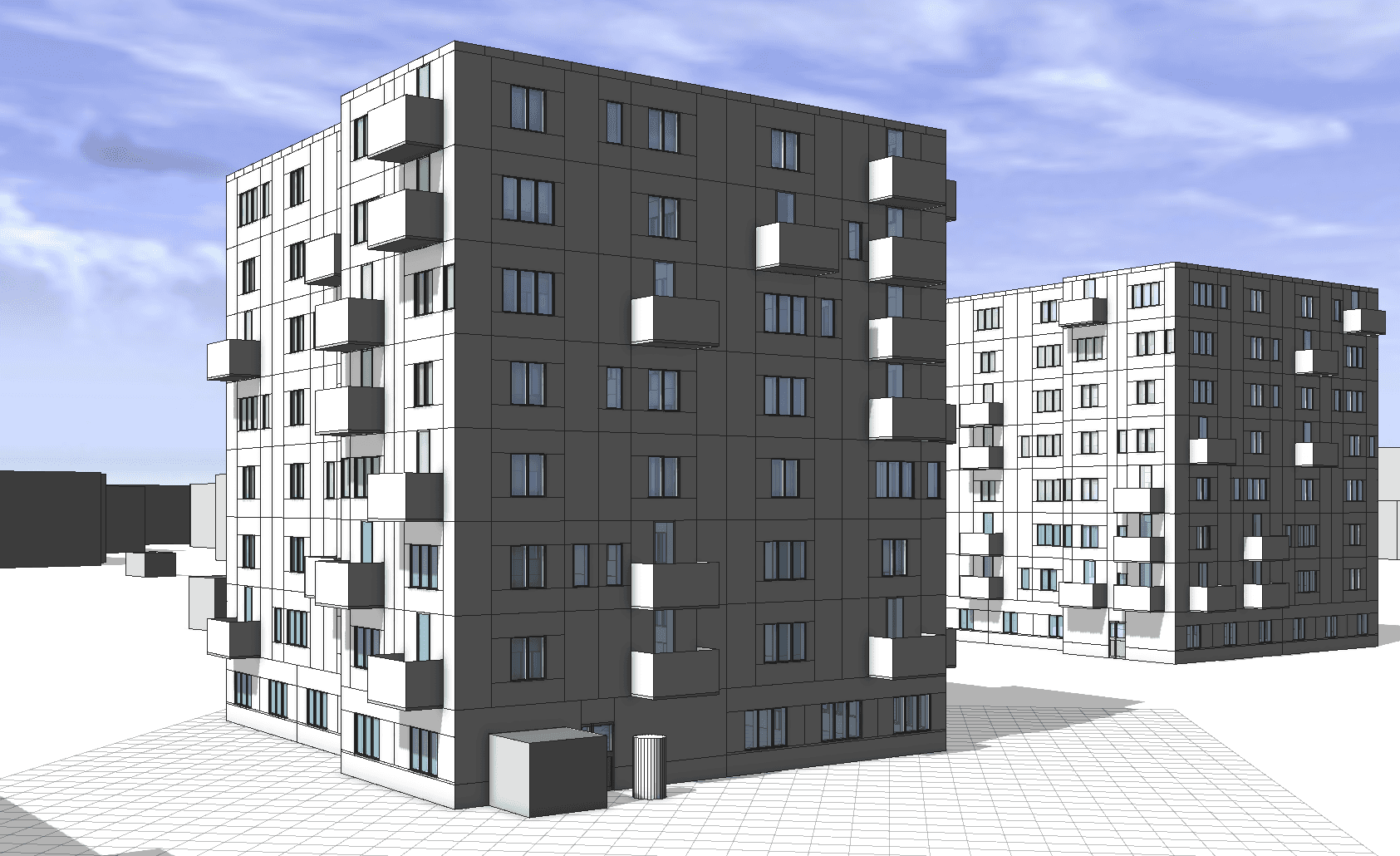
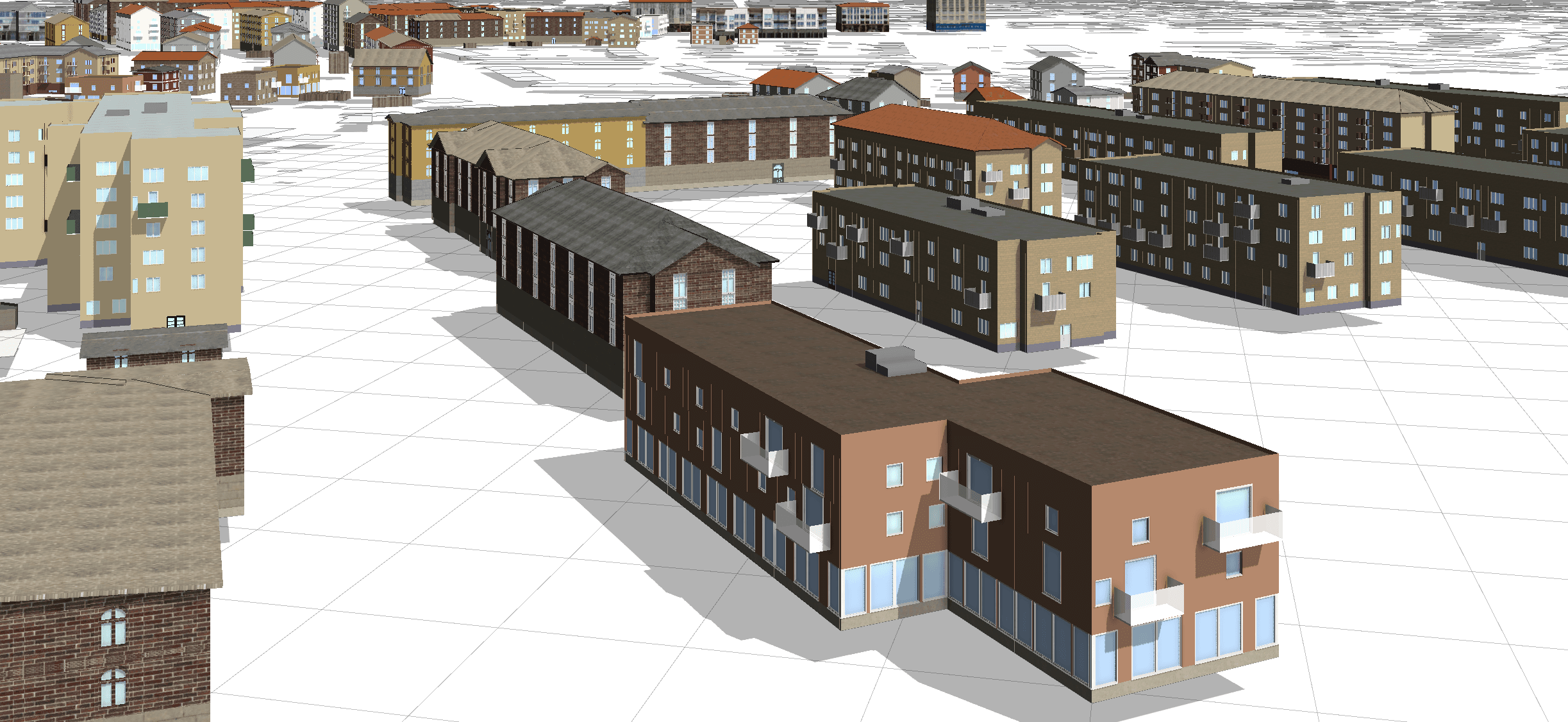
The project focused on generating realistic Swedish cityscapes with diverse architectural styles, road networks, and urban layouts using Esri CityEngine for procedural modeling, Blender for asset creation, and Unreal Engine 5 for visualization.
Introduction
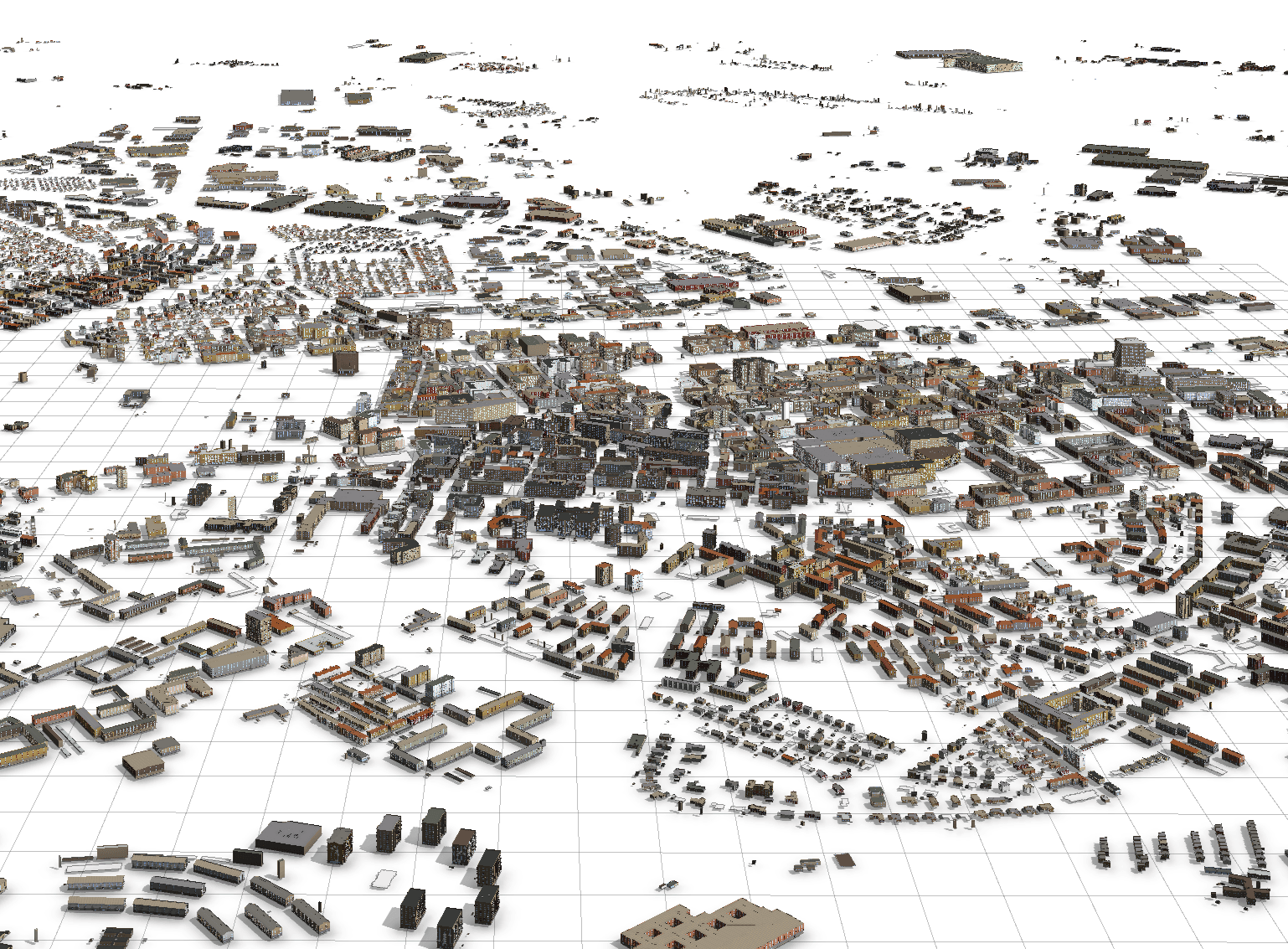
Together with my thesis partner, I developed a procedural generation pipeline for large-scale urban environments based on GIS data, with a focus on Swedish architecture.
Inspired by games such as Spider-Man 2, we wanted to explore how procedural techniques could reduce the need for manually creating and placing thousands of assets while allowing cities to be generated and modified efficiently.
Challenges
One of the biggest challenges was learning CityEngine, which has limited documentation for advanced scripting and procedural workflows.
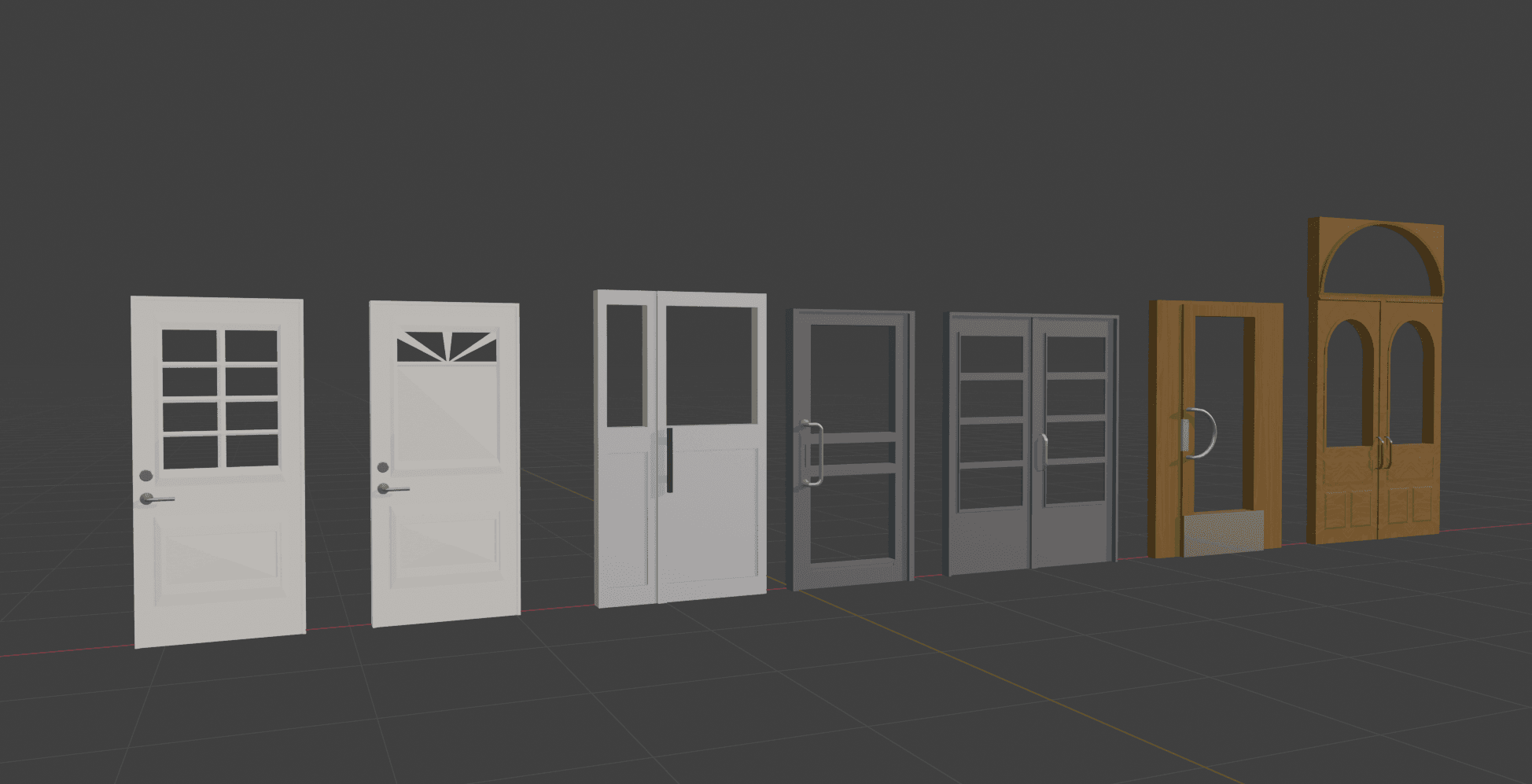
Another challenge was designing a relatively small library of modular assets that could be reused across many different building types while still producing varied results.
Through this work, I gained valuable experience in procedural generation, Python scripting, and building scalable content creation pipelines.
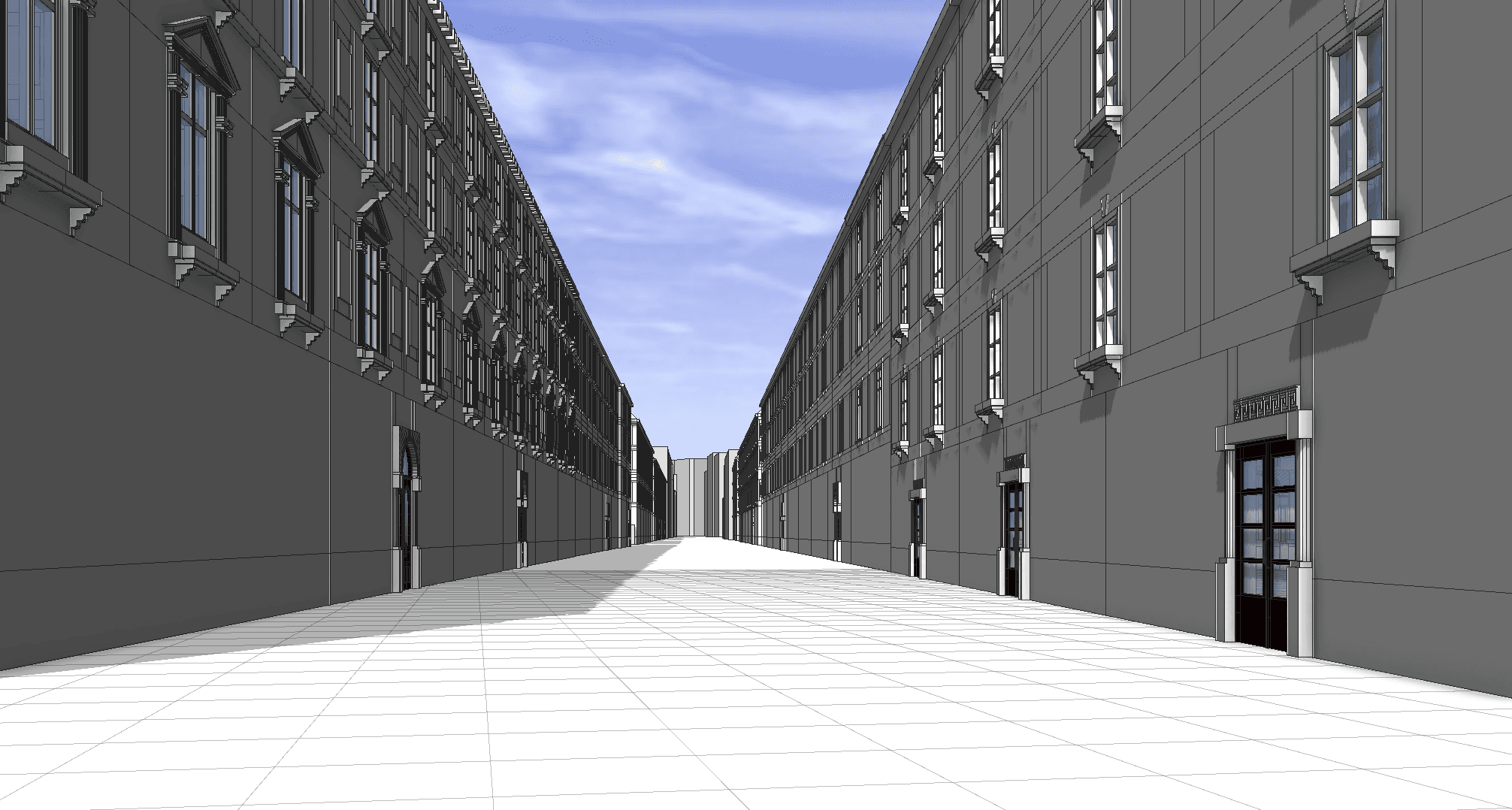
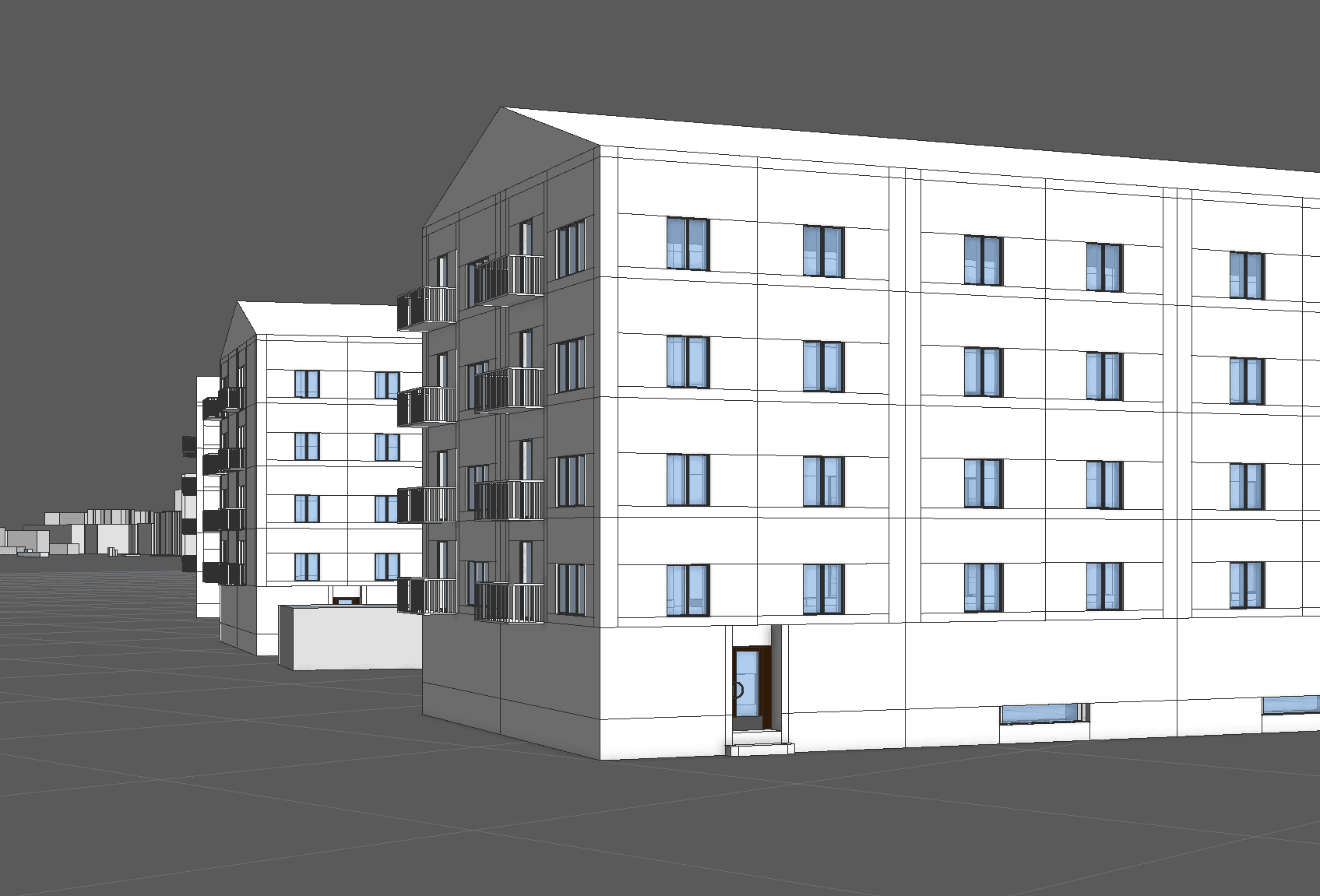
Results
The project resulted in a procedural generation system capable of producing large-scale urban environments from GIS data and exporting them as tiled OBJ assets.
My main contributions included researching procedural generation techniques, creating modular assets in Blender, and developing CityEngine Python scripts to automate the generation pipeline and integrate GIS data.